Understanding fabric is an important part of working in the textile industry.
Different materials have different structures, textures, applications, and handling requirements. For anyone involved in fabric sourcing or customer communication, product knowledge helps make discussions clearer and more accurate.
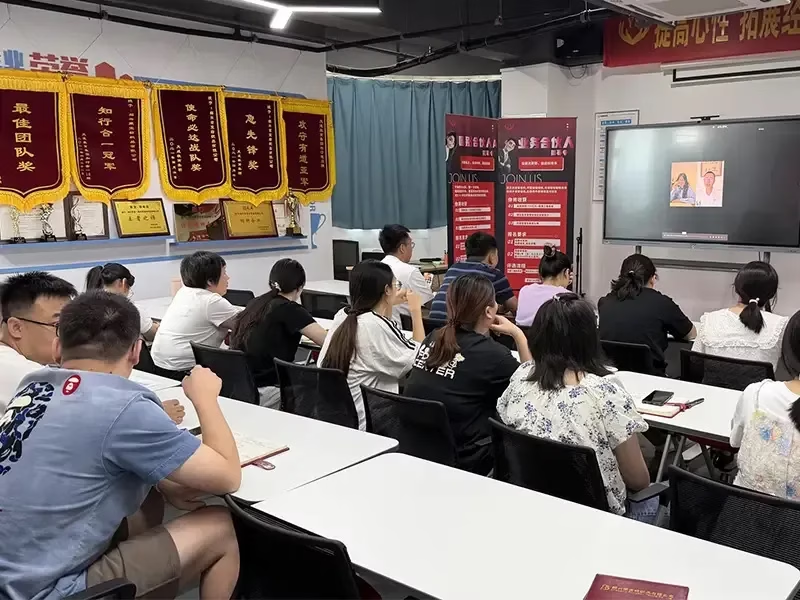
The photo shows a team training session at QINGYUAN, where colleagues gathered in a meeting room for a presentation and discussion.
Why Fabric Knowledge Matters
When buyers source fabrics for apparel, accessories, or other applications, they often need more than a product name or price.
They may want to understand:
- What is the fabric made of?
- Is the material stretchable or non-stretchable?
- How does the fabric drape?
- What is the difference between different lace structures?
- Which type of tulle is suitable for a particular application?
- What details should be confirmed before ordering?
These questions require an understanding of the material and its intended use.
Understanding Different Types of Fabrics
At QINGYUAN, our textile business covers several types of decorative and specialty fabrics.
Lace Fabric
Lace fabric is widely used in dresses, bridalwear, eveningwear, and decorative garment applications. Its appearance and structure vary depending on the pattern and manufacturing method.
Tulle Fabric
Tulle is a lightweight net fabric commonly used in veils, skirts, dresses, overlays, and decorative applications. Its mesh structure and level of stiffness can vary.
Embroidery Fabric
Embroidery fabric features decorative stitching or patterns applied to a base material. Design, thread selection, pattern density, and base fabric are important considerations.
Sequin Fabric
Sequin fabric incorporates decorative sequins to create a reflective surface. It is often used in stagewear, eveningwear, party dresses, and other fashion applications.
Understanding these differences helps buyers communicate their requirements more clearly.
Learning Through Communication
Training sessions provide an opportunity for colleagues to exchange information, review product-related topics, and discuss questions that arise in daily work.
In textile sourcing, even small differences in fabric construction or material specifications can affect the final product.
For this reason, clear product information and accurate communication are important when discussing samples, specifications, and order requirements.
Continuing to Build Product Knowledge
The textile industry continues to evolve, with new designs, materials, and customer requirements emerging over time.
Keeping up with product knowledge is an ongoing process.
At QINGYUAN, we value opportunities for learning and communication as part of our daily business development.
We believe that a better understanding of fabrics helps create clearer conversations with customers and supports more informed product discussions.