Fabric quality is determined by a combination of factors, including raw material selection, manufacturing techniques, surface characteristics, and finishing processes. Even small differences in these areas can affect the appearance, texture, durability, and suitability of a fabric for its intended application.
Material selection is one of the first important steps. Different fibers and yarn structures offer different characteristics, such as softness, strength, elasticity, breathability, and surface appearance. Choosing the right material helps establish the foundation for the finished product.
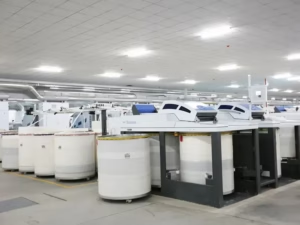
During production, manufacturing conditions also need to be carefully controlled. Factors such as fabric density, yarn tension, color consistency, and finishing treatments can influence the final result.
Inspection plays an equally important role. Checking fabric surfaces, identifying irregularities, and reviewing relevant product specifications help ensure that materials meet the required standards before delivery.
For customers, consistent quality is not simply about how a fabric looks. It is also about whether the material performs reliably during cutting, sewing, processing, and final use.
QINGYUAN recognizes the importance of material characteristics and product requirements when developing fabric solutions. A careful approach to fabric selection and quality evaluation helps support more dependable results for different textile applications.